Efficient Bulk Trucking: Reliable Cargo Services for Your Shipping Requirements
Reliable bulk trucking operates as a pillar for modern freight management answers, addressing multiple cargo requirements. Companies increasingly depend on specialized trucks and state-of-the-art logistics systems to streamline workflow. This strategy not just lowers costs but also strengthens sustainability efforts. As businesses hunt for reliable options, comprehending the intricacies of bulk trucking proves vital. Which factors must be considered when selecting a provider, and in what ways can businesses fine-tune their shipments for utmost output?
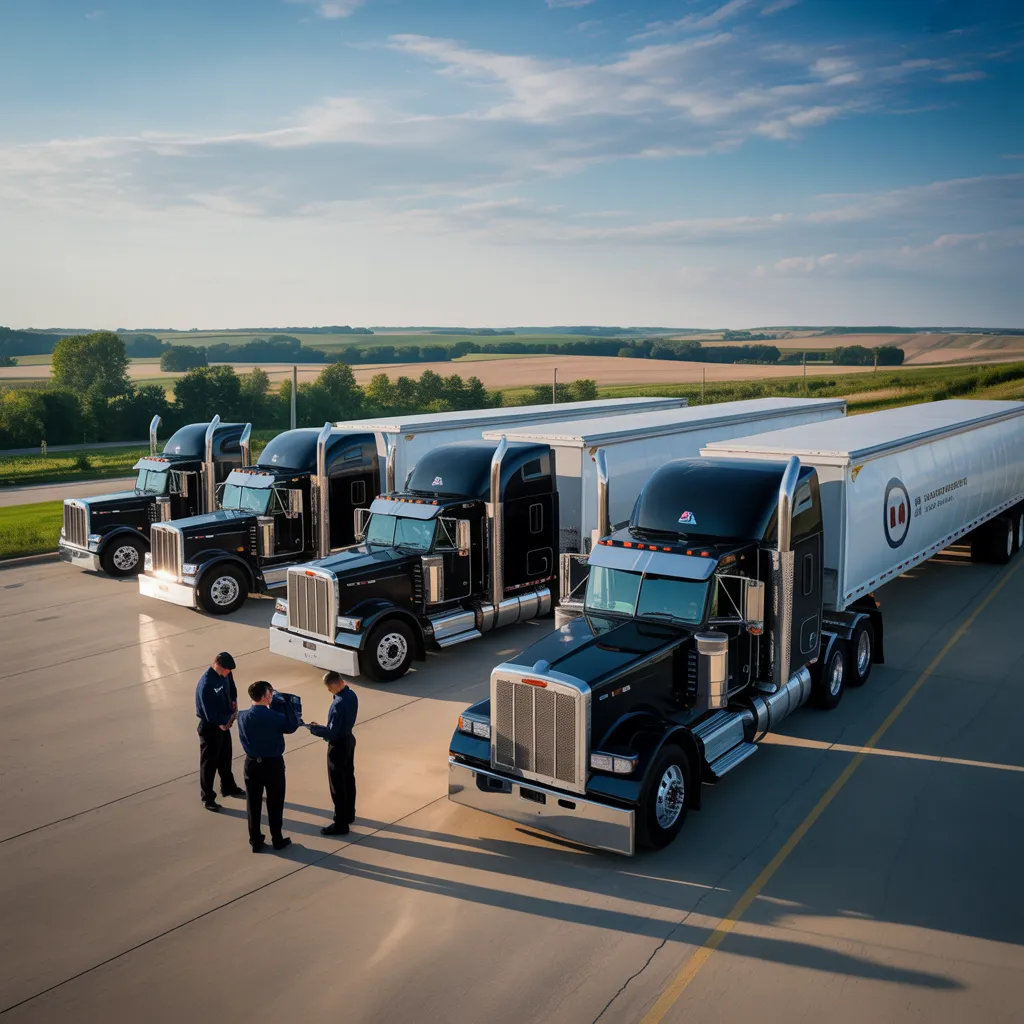
What Is Bulk Trucking and How It Operates?
Bulk trucking indicates the shipment of high volumes of cargo, often in bulk form, using specialized vehicles meant for efficient transport and transfer. This transportation method typically relies on the use of flatbeds, containers, and tankers, which are capable of handling assorted materials such as construction materials, grains, or liquids.
The procedure starts with the placement of goods at a specified facility, where advanced machinery guarantees fast and effective handling. Once filled, trucks navigate set routes to transport the cargo to its destination, often utilizing GPS technology for superior pathfinding.
Upon arrival, unloading is carried out using machinery adapted to the exact type of bulk being moved, guaranteeing minimal spillage and damage. Bulk trucking follows rigorous safety and compliance guidelines, highlighting the importance of preserving load quality throughout the journey. This methodical strategy greatly enhances supply chain productivity, supporting industries that utilize comprehensive transportation options.
Main Benefits of Bulk Trucking for Your Business
Efficiency is a primary benefit that businesses can gain from utilizing bulk trucking services. By consolidating large shipments, companies can reduce transportation costs markedly. This method reduces the number of trips needed, which not only cuts fuel expenses but also decreases wear and tear on vehicles.
Furthermore, large-scale hauling often results in more predictable shipping timelines, enhancing supply chain reliability. Companies can more effectively control stock quantities, guaranteeing that they have the required goods on hand without excessive inventory.
Furthermore, bulk trucking improves green practices by minimizing the emissions levels tied to many separate loads. This green approach strikes a chord with consumers progressively worried about environmental impact.
In conclusion, bulk trucking delivers versatility, accommodating different cargo types, ranging from raw materials to finished products. Overall, these advantages make bulk trucking a strategic choice for businesses trying to optimize their logistics operations.
Vital Requirements for Choosing a Dependable Bulk Trucking Supplier
Selecting a credible bulk trucking provider is important for enterprises looking to enhance the benefits of their logistics strategy. Key considerations to review include the organization's reputation in the industry, which can be assessed through customer reviews and testimonials. Compliance with safety regulations and industry standards is vital, as it guarantees the preservation of both shipments and team members. Moreover, examining the provider's truck maintenance and technology can indicate their capacity for timely and efficient transport.
Pricing clarity is another important element; a reliable vendor should provide clear cost structures without hidden fees. Additionally, flexibility in service offerings, such as timing and delivery paths, enables businesses to adjust to changing requirements. Finally, excellent communication skills and client support are essential, ensuring that clients obtain information and support throughout the shipping procedure. By carefully evaluating these standards, companies can choose a vendor that aligns with their shipping objectives.
Enhancing Large Volume Shipment for Financial Savings
Boosting cost savings in commercial freight services can markedly strengthen a company's bottom line. Enterprises can achieve this by introducing optimized cargo handling systems, which cut processing times and minimize personnel costs. Utilizing modern transportation management platforms to follow cargo and enhance routing strategies additionally supports operational excellence, making certain that trucks are filled to capacity and limiting unproductive routes.
Furthermore, choosing the right type of large background information storage unit can lead to significant savings. For instance, using purpose-built storage solutions engineered for specific cargo categories can minimize product deterioration and improve shipping efficiency. Organizations may also work out extended contracts with shipping companies to secure favorable pricing, thereby locking in costs.
Regularly reviewing and examining operational data enables businesses to detect performance gaps and establish strategic enhancements. By emphasizing these approaches, organizations can enhance their bulk cargo operations, producing significant cost savings and a more advantageous market standing in the market.
Comprehending Mass Trucking Guidelines and Compliance
Grasping the regulations managing bulk trucking is necessary for ensuring operational success. Key regulatory requirements and safety compliance standards shape the industry, determining both efficiency and legal adherence. Companies must navigate these frameworks to streamline their logistics and maintain safety protocols.
Key Compliance Requirements
Moving through the complex landscape of bulk trucking regulations requires meticulous attention to various key requirements. First, operators must comply with federal and state licensing mandates, guaranteeing that all drivers possess the necessary Commercial Driver's Licenses (CDLs). Additionally, adherence to weight restrictions is imperative; vehicles must not exceed specified limits to avoid penalties and maintain road safety. Moreover, proper documentation, including Bills of Lading and freight manifests, is critical for tracking cargo and promoting transparency. Environmental regulations may also apply, particularly concerning emissions standards for trucks. Finally, understanding insurance requirements is essential, as adequate coverage protects both operators and shippers from unforeseen liabilities. Navigating these regulatory aspects is crucial for compliant and efficient bulk trucking operations.
Safety Adherence Standards
Safety compliance standards constitute the backbone of streamlined bulk trucking operations, ensuring the protection of drivers, cargo, and the public. These standards include a range of directives, including vehicle maintenance, driver qualifications, and cargo handling procedures. Companies must respect guidelines set forth by federal and state agencies, such as the Department of Transportation (DOT) and the Federal Motor copyright Safety Administration (FMCSA). Regular checks and inspections are essential, as they mitigate risks associated with equipment failure. Additionally, comprehensive training for drivers on safety protocols bolsters awareness of potential hazards. By promoting a culture of safety compliance, bulk trucking companies not only protect their assets but also build trust with clients and the communities they serve.
Safety Measures for Bulk Trucking Logistics
Ensuring the safety of heavy freight transportation requires an holistic approach that addresses various dangers on the road. First, regular vehicle inspections are essential to spot mechanical issues before they worsen. Proper training for drivers on managing particular load types boosts their capacity to handle challenges properly. Additionally, following weight limits avoids overloading, which can undermine stability and braking.
Implementing secure loading practices, including suitable securing devices, minimizes cargo shifting during transit. It is also vital to establish clear communication with dispatch and other drivers to track road conditions and potential hazards. Employing GPS tracking can deliver real-time updates, improving situational awareness.
Finally, cultivating a safety-focused environment within the organization encourages all personnel to prioritize best practices. By following these safety tips, bulk trucking operations can significantly minimize risks, guaranteeing the secure transport of goods while protecting lives on the road.
Emerging Trends in Bulk Trucking: What to Expect?
What innovations lie ahead for the bulk trucking industry? As technology continues to evolve, several trends are influencing the future of bulk trucking. Automation is set to play a major role, with autonomous trucks expected to improve efficiency and reduce operational costs. Moreover, the integration of artificial intelligence and data analytics will optimize route optimization and fuel efficiency, allowing for more dependable and timely deliveries.
Sustainability is also a primary concern, with an increasing emphasis on eco-friendly practices. Electric and hybrid trucks are anticipated to gain traction, reducing carbon footprints and aligning with regulatory changes. Additionally, improvements in tracking technology will enhance fleet management, providing instant monitoring and improved maintenance schedules.
Lastly, the expansion of e-commerce necessitates flexibility in freight transport, pushing firms to implement innovative operational strategies. Overall, these trends point to a pivotal period for the bulk trucking sector, highlighting efficiency, sustainability, and adaptability.
Frequently Posed Questions
What Varieties of Cargo Work Optimally for Bulk Trucking?
Bulk trucking works well for moving unpackaged goods including grains, chemicals, aggregates, and liquids. These cargo types thrive in bulk transport on account of their size and mass, increasing efficiency and reducing overall shipping costs.
How Can Bulk Trucking Rates Measure Up to Other Shipping Methods?
Bulk trucking rates are typically more economical than alternative shipping methods for large volumes. This efficiency originates from reduced handling expenses and economies of scale, making it a favored alternative for delivering significant quantities of cargo.
What Tech Are Frequently Applied in Bulk Hauling Currently?
Contemporary bulk transportation uses cutting-edge tools such as GPS tracking for real-time location tracking, telematics for vehicle health monitoring, electronic logging devices for compliance, and automated routing software to improve delivery efficiency and minimize operational costs.
Is Bulk Trucking Able to Accommodating International Shipments?
Yes, commercial hauling can facilitate international shipments. Companies frequently use purpose-built trucks and logistics solutions to guarantee compliance with international regulations, facilitating the transport of goods across borders reliably and quickly.
How Does Bulk Trucking Affect the Ecosystem?
Bulk hauling plays a role in environmental impacts by way of carbon output, fuel consumption, and potential road degradation. However, technological progress and regulatory frameworks strive to diminish these effects, advancing more environmentally responsible approaches within the industry.