Bulk Trucking Explained: Key Services and Their Impact on Logistics
Bulk transport is vital in the field of logistics. It includes vital services such as liquid bulk transportation and hauling dry bulk. Illinois top rated Bulk Trucking. Their purpose is to increase supply chain effectiveness, cut down on costs, and useful guide ensure deliveries are timely. Yet, the complex procedures inherent in bulk trucking prompt discussions regarding safety, equipment, and what the future holds. Analyzing these dynamics provides useful perspectives on how logistics can adapt and thrive in a quickly evolving setting
The Significance of Bulk Transport in Managing the Supply Chain
Efficiency is fundamental of modern supply chain management, and bulk trucking is essential in boosting this efficiency. Bulk transport enables the transportation of large quantities of goods, cutting down on necessary trips and reducing the use of fuel. This method of transport allows companies to improve their logistical processes, guaranteeing materials arrive at production facilities and products arrive at retail outlets promptly. By combining loads, bulk trucking cuts down on operational expenditure and contributes to improved inventory management. Additionally, it supports just-in-time delivery systems, which are essential for reducing waste and maintaining production schedules. The capability to move varied materials, from raw materials to finished products, highlights the significance of bulk trucking in keeping the supply chain fluid. In an increasingly competitive market, the gains in efficiency offered by bulk trucking are essential for firms seeking to improve their operational efficiency and client contentment.
Categories of Bulk Transport Services
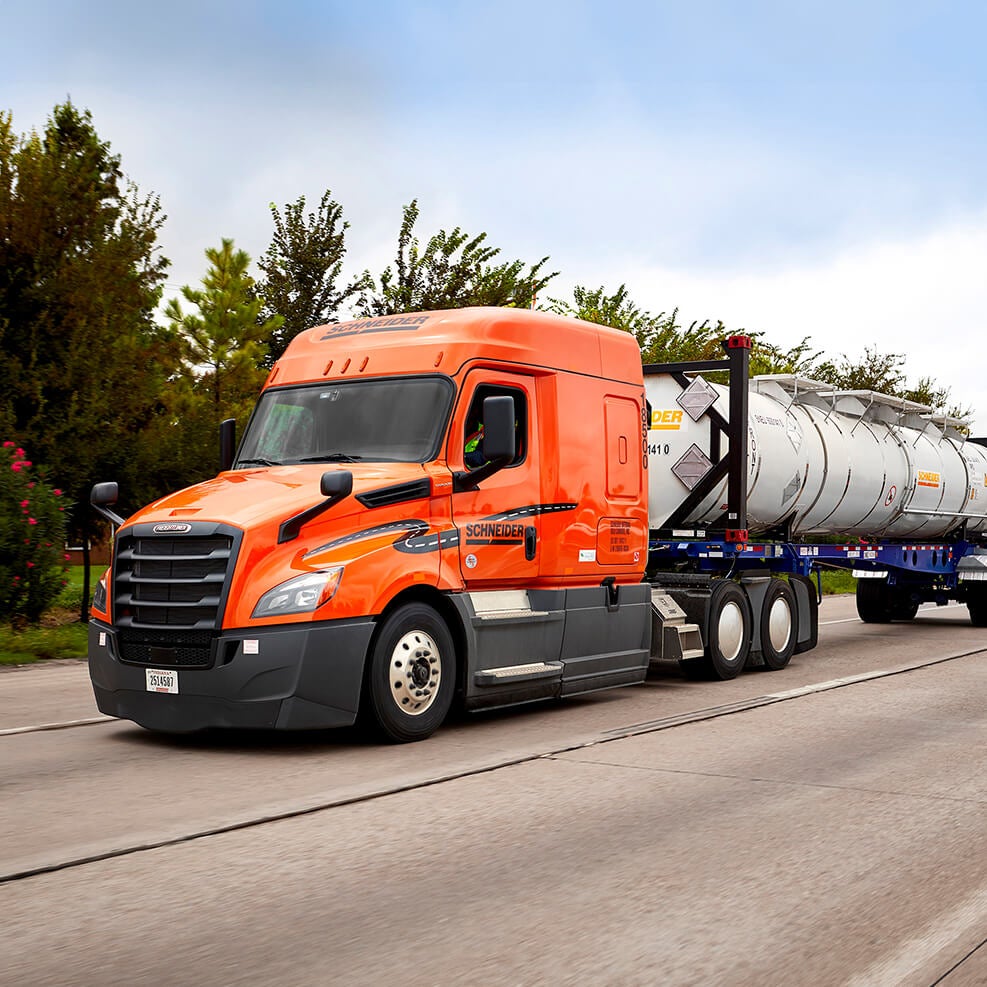
Bulk trucking services can be categorized primarily into liquid bulk transportation and dry bulk hauling. Every type caters to different industries and requires specialized equipment and handling protocols. Knowing these variations is crucial for businesses to efficiently handle their logistics and supply chain needs.
Liquid Bulk Transportation
Given the increasing need for various liquid goods, knowing the categories of liquid bulk transportation services is essential for sectors reliant on these materials. The movement of liquids in bulk centers on the transport of fluids such as chemicals, petroleum, and foodstuffs. Tanker trucks, featuring pressurized and insulated equipment, are commonly utilized to guarantee safe and efficient transport. These services fall into several types, including exclusive transport for specific products and common liquid transport that handles various fluids. In addition, numerous companies provide temperature-controlled transport to safeguard the condition of the goods. As a result, choosing the right liquid bulk transportation service is essential for keeping the goods high-quality and complying with regulations in the field of logistics.
Transporting Dry Bulk
Hauling bulk solids is important for the transportation of various granular and powdered materials, like grains, fertilizers, and building materials. The hauling process is typically performed using specialized vehicles, such as pneumatic tankers and dump trucks, designed to handle bulk quantities efficiently and safely. Dry bulk transport is essential for industries including agriculture, construction, and manufacturing, where timely delivery of raw materials can greatly impact productivity. The planning involved in dry bulk hauling require meticulous organization to guarantee ideal routes and reduce transportation duration. Additionally, operators must comply with safety regulations and best practices to reduce hazards related to handling and transporting these materials. In summary, dry bulk hauling is an essential part of the broader bulk trucking sector.
Tanker Transport: Secure and Efficient Liquid Movement
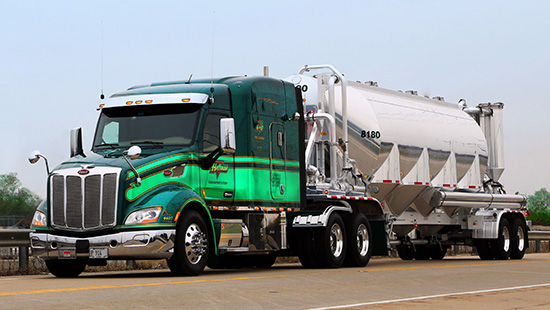
Tanker transport is vital in the logistics industry by facilitating the safe and efficient movement of liquid commodities. This specific type of hauling is necessary for moving various liquids, including chemicals, petroleum products, and edible fluids. Tank trucks are built with sophisticated security features to avoid spills and leaks, which are essential for safeguarding the environment and public health.
The logistics of tanker transport involve meticulous planning, including route selection and compliance with regulatory standards. The tankers utilized need to satisfy rigorous safety standards, making sure that the contents are transported securely. Additionally, trained personnel oversee loading and unloading processes to maintain safety and efficiency.
The financial significance of tanker transport is significant, as it supports various industries by allowing for the prompt supply of essential liquids. Consequently, the effectiveness of tanker transport is essential to maintaining supply chain integrity and satisfying customer needs in an ever-more connected global market.
Dry Bulk Hauling: Moving Solid Goods
A large part of the logistics industry utilizes dry bulk hauling for the streamlined delivery of solid materials. This method is critical for transporting goods such as fertilizers, minerals, plastics, and grains. Unlike liquid bulk, dry bulk materials necessitate specific gear, including pneumatic trailers and walking floor trucks, designed to facilitate loading and unloading processes. Proper management of these solid materials is paramount, as improper management can lead to environmental damage and contamination, impacting supply chain integrity and the environment
Furthermore, dry bulk hauling often involves traversing complex logistics, including timing and route optimization, to guarantee minimal delays. The impact of this service is greater than simple transit; it underpins many industries, from agriculture to construction, by ensuring materials are available of essential materials - Illinois top rated Bulk Trucking. Therefore, dry bulk hauling is a fundamental component of the larger supply chain system, promoting efficiency and reliability in the supply chain
Managing Bulk Shipments: Optimizing Processes
Efficient management of bulk freight operations is crucial for streamlining logistics processes and ensuring timely delivery of goods. This involves coordinating various elements, such as transportation, storage, and handling of bulk materials. Successful methods include route optimization, which minimizes transit times and decreases energy consumption. Additionally, implementing technology for tracking shipments enhances visibility and enables immediate modifications.
Collaboration among stakeholders is essential; producers, carriers, and receivers need to share information clearly to align schedules and expectations. Employing specific machinery, like pneumatic trailers or bulk tankers, additionally simplifies handling, cutting down on transit times.
Managing inventory is equally important, as reliable forecasting ensures maintain the right stock levels and prevents delays. By incorporating these methods, companies can substantially better their bulk freight operations, which generates financial benefits and increased customer satisfaction. Employing an integrated strategy to freight management is fundamental for maintaining competitive advantage in the logistics sector.
The Future of Bulk Trucking in Logistics
Since technological innovations are constantly redefining the logistics environment, the future of bulk trucking holds promising opportunities for improved efficiency and greater sustainability. Illinois top rated Bulk Trucking. New technologies like self-driving trucks and sophisticated route planning tools are poised to transform how operations are conducted. Such technologies have the capacity to reduce fuel use, decrease operating expenditures, and improve delivery times, consequently boosting bulk trucking's competitive edge
Moreover, integrating data analytics with the Internet of Things (IoT) will enable real-time tracking of shipments, improving clarity for customers and improving inventory management. Since environmental legislation is becoming more stringent, the shift toward alternative power sources, for example, electric or hydrogen-fueled trucks, is expected to increase significantly, helping create a more sustainable supply chain
Ultimately, the future of bulk trucking in logistics will be characterized by a commitment to efficiency, sustainability, and technology-driven solutions, positioning it as an essential component of modern supply chains
Questions and Answers
What is the Ecological Footprint of Bulk Trucking

Bulk hauling affects the environment through the emission of GHGs, noise pollution, and potential road damage. Furthermore, moving heavy commodities may result in the wearing away of soil and greater consumption of power, harming local environments and atmospheric conditions.
How Does Legislation Impact Bulk Trucking
Regulations considerably affect bulk trucking operations by imposing safety standards, emissions controls, and maximum load restrictions. Compliance with these regulations influences operational costs, delivery timelines, and decisions regarding fleet composition, ultimately shaping the efficiency of logistics networks.
What Safety Measures Are Implemented in Bulk Trucking
Safety measures in bulk trucking include regular vehicle inspections, training courses for operators, compliance with maximum weight allowances, use of secure loading practices, equipping vehicles with GPS trackers, and following all federal and state safety rules to reduce potential hazards.
What is the Best Way to Select a Bulk Hauling Firm
In order to pick the best bulk trucking provider, one should evaluate their safety record, their tenure in the sector, the capacity of their vehicle fleet, customer reviews, pricing, and their geographical scope, ensuring alignment with specific transportation needs and adhering to rules for maximum performance.
What Technological Tools Are Employed in Bulk Hauling Logistics
Bulk trucking logistics employs technologies such as GPS tracking, programs for optimizing routes, advanced communication systems, and digital record-keeping devices. These tools enhance efficiency, facilitate better communication, and verify regulatory observance, ultimately streamlining the transportation process.