A Guide to Bulk Trucking: Vital Services for Optimized Freight Transport
Bulk trucking serves as a key factor in the logistics of transporting massive quantities of freight. It spans numerous sectors, ensuring that materials are delivered efficiently and cost-effectively. By utilizing specialized vehicles, this service lessens the dangers related to manipulation and improves transport velocity. However, the landscape of bulk trucking is evolving. Grasping its complexities can provide insights into its rising relevance in modern supply chains. What components result to its efficiency?
Bulk Trucking Explained?
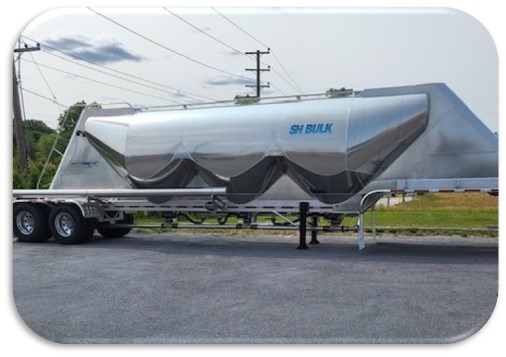
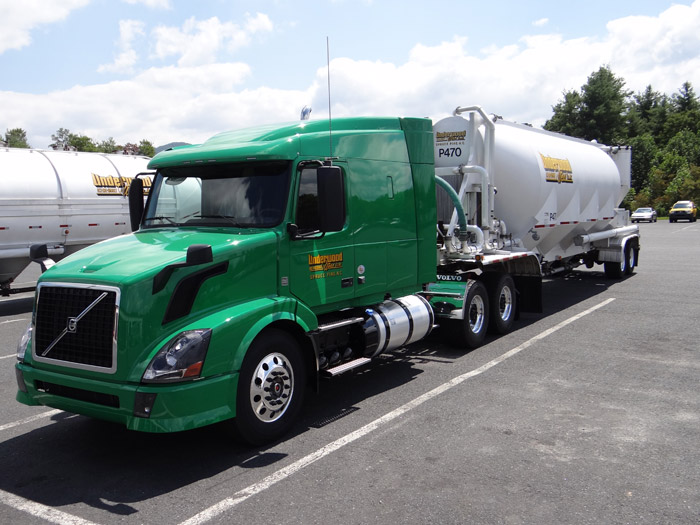
Bulk hauling means the transportation of large quantities of goods, usually in liquid or granular state, with the aid of specific transporters. This method is crucial for industries needing the transportation of significant cargo, such as agribusiness, chemical processing, and infrastructure. Bulk haulers, like liquid tankers and hoppers for granular goods, are built to effectively handle and move these bulk goods.
The management of bulk transport demand precise preparation and coordination, guaranteeing the correct transporter is utilized for distinct cargo to avoid spoilage and harm. In addition, standards controlling bulk hauling mandate compliance with safety criteria, particularly for hazardous materials.
Bulk hauling is instrumental in the supply chain, aiding the quick movement of essential goods and simultaneously reducing expenses linked to hauling. By using this method, businesses can make their workflows more efficient, guaranteeing a constant supply of materials required for manufacturing and other processes.
Major Advantages of Bulk Transport
Despite the existence of numerous hauling techniques, bulk trucking offers distinct advantages that can greatly enhance operational efficiency for multiple businesses. A major advantage is its economy; bulk trucking often reduces per-unit shipping costs because of the capacity to move large volumes simultaneously. This efficiency translates into lower overall transportation expenses, rendering it a desirable choice for businesses.
Additionally, bulk trucking provides flexibility in planning and navigation, enabling firms to adjust rapidly to changing demands. The ability to move various kinds of cargo, from raw materials to consumer goods, significantly increases its attractiveness.
Furthermore, bulk trucking can improve delivery speed, as efficient operations and direct routes cut down on travel time. Improved load management also results in less handling, reducing the chance of damage while moving cargo. In summary, these key benefits position bulk trucking as an essential logistics solution for industries demanding reliability and efficiency in their supply chains.
Categories of Bulk Cargo Moved
Various industries rely on bulk trucking to move diverse categories of freight. A primary category includes farm produce, like grains, fertilizers, and animal feed. This cargo is usually moved in high volumes, necessitating specialized bulk trucks designed for efficient loading and unloading.
Additionally, construction materials such as sand, gravel, and cement are commonly moved using bulk trucking services. These materials are essential for various construction projects and require timely delivery to ensure projects stay on track.
Chemical substances, such as liquid and dry chemicals, also represent a major segment of bulk cargo. These substances demand prudent handling and compliance with safety regulations during transport.
Moreover, food products, such as sugar and flour, are transported in bulk to satisfy manufacturing and distribution needs. Overall, the diversity of bulk cargo types showcases the versatility and importance of bulk trucking in supporting various economic sectors.
How Technology Affects Bulk Trucking
How has technology revolutionized the landscape of bulk trucking? The use of advanced technology has significantly improved efficiency and safety within the bulk trucking industry. GPS systems permit live tracking of cargo and vehicles, facilitating timely deliveries and improved route planning. Furthermore, telematics has proven to be a crucial tool, providing critical data on vehicle performance, fuel consumption, and driver behavior, ultimately leading to cost savings and reduced environmental impact
(Illinois top rated Bulk Trucking)Furthermore, automated systems for inventory management streamline loading and unloading processes, cutting down on delays and boosting productivity. Communication technologies also hold a key position, connecting drivers, logistics supervisors, and customers seamlessly. This connectivity promotes openness and boosts service quality by giving reliable status reports on the delivery progress. As the industry continues to evolve, these technological advancements will further reshape bulk trucking, pioneering new methods and raising the standard of service within a cutthroat environment
How to Pick the Best Bulk Transport Company
Picking the ideal bulk hauling company is essential for companies looking to improve their logistical processes. Businesses must start by assessing their unique freight needs, comprising discover more the nature of the materials moved and the sheer amount. Checking the copyright's history in dealing with like deliveries can provide insight into their capabilities.
Furthermore, businesses should consider the service's operational reach, ensuring that the trucking company is able to effectively serve the required locations. A second key consideration is the provider's safety record and following of regulatory standards, which can greatly impact the dependability of the service.
The expense is another crucial element; however, companies must balance costs against service quality to avoid compromising on essential elements. Lastly, client assistance and how they communicate play a vital role in preserving openness during the entire delivery operation. By carefully analyzing these aspects, companies can select a bulk trucking service that matches their business requirements and aims.
Frequently Asked Questions
What Expenses Are Usually Involved For Bulk Transport Services?
Typical costs associated with bulk trucking services comprise the cost of fuel, driver wages, repair costs, coverage, and tolls. Additionally, rates may vary depending on the mileage, the kind of freight, and sector needs, influencing the final rate schedules.
How Do I Prepare My Cargo for Bulk Haulage?
In order to prepare freight for bulk hauling, verify suitable containment, secure load stability, verify weight limits, and mark the items distinctly. Furthermore, check for any wear and tear and comply with safety standards to ensure speedy movement and arrival.
What Are the Necessary Safety Standards to Bulk Trucking?
Safety regulations for bulk trucking mandate observing weight restrictions, proper securing of cargo, compliance with hazardous materials guidelines, periodic equipment reviews, and driver training requirements to ensure secure transport and lower the risk of mishaps. - Illinois top rated Bulk Trucking
- Illinois top rated Bulk Trucking
How Do Bulk Haulers Address Transportation Delays?
Bulk trucking companies manage delays by communicating proactively with clients, adjusting schedules, and rerouting loads as needed. They also make use of technology to track deliveries, ensuring timely updates and lessening disturbances in the logistics network.
Is Bulk Haulage Suitable for Cross-Border Transport?
Certainly, bulk transport supports global shipping by partnering with logistics providers and utilizing specialized equipment. These companies guarantee compliance with international regulations, allowing for easy transit across borders for various bulk commodities while maintaining efficiency and safety.